Awards & Exhibitions · 2026
National Assembly AI Video Competition — Excellence Award
“The Path of the National Assembly: From Past to Future,” a solo entry that fits 76 years of National Assembly history into two minutes. I submitted a shot-by-shot prompt log as evidence and received the Excellence Award.
OutcomeExcellence Award — National Assembly Secretariat, “The National Assembly’s Road to the Future, Made with AI”
Excellence Award
I entered the National Assembly Secretariat’s video competition “The National Assembly’s Road to the Future, Made with AI” (「AI로 만들어가는 국회 미래로(路) 영상 공모전」) on my own and received the Excellence Award. The entry, The Path of the National Assembly: From Past to Future (《국회의 길: 과거에서 미래로》), is a 119-second video in the form of a historical documentary. The first file was created on Dec 1 and I submitted on the evening of Dec 7: seven days on the calendar, four days of actual work.
76 Years in Two Minutes
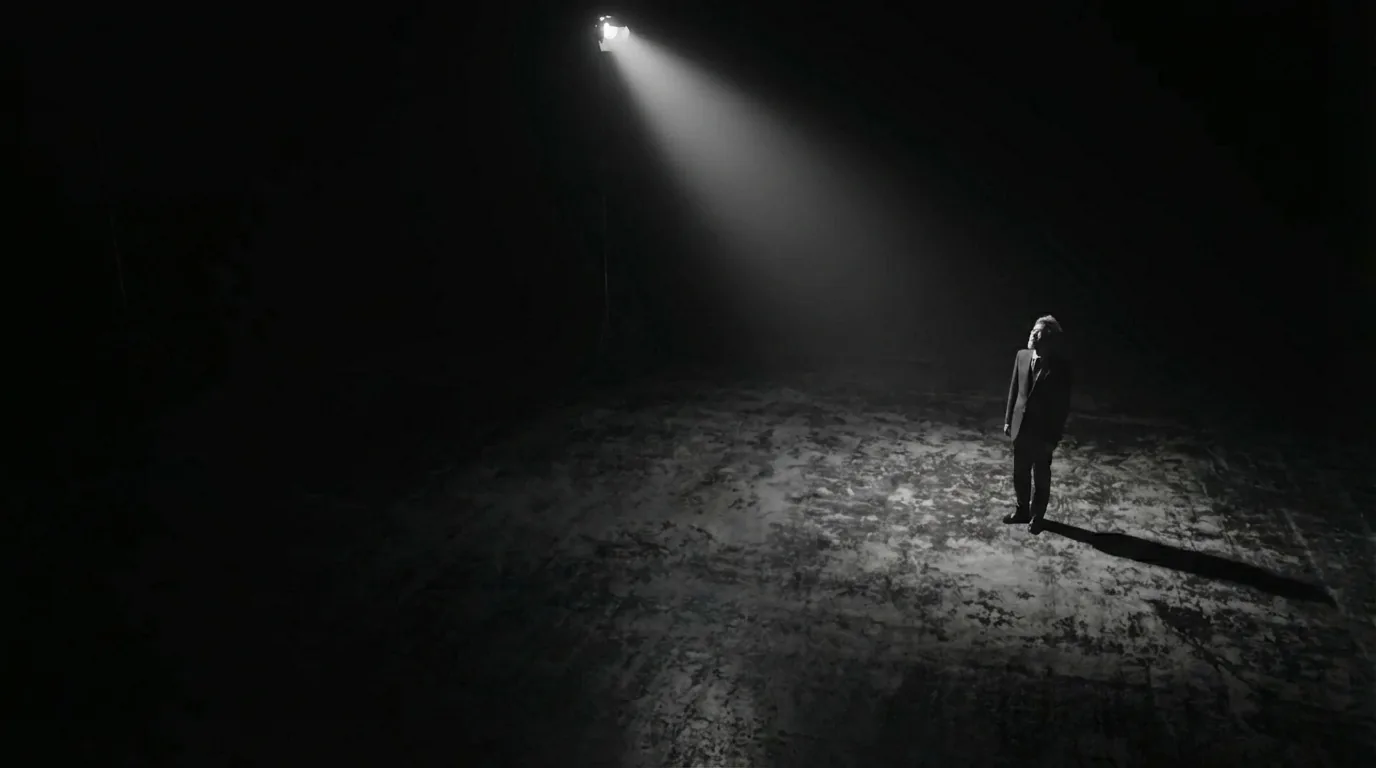
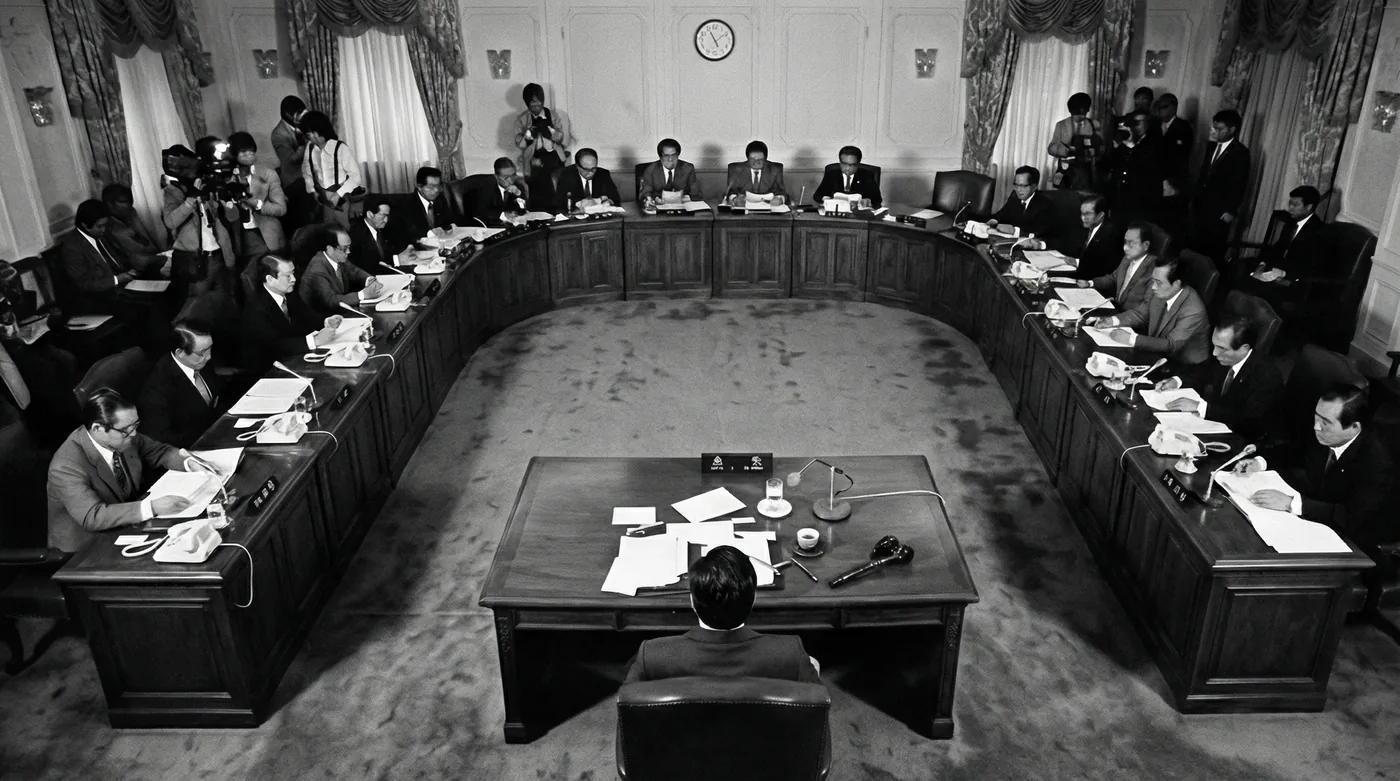
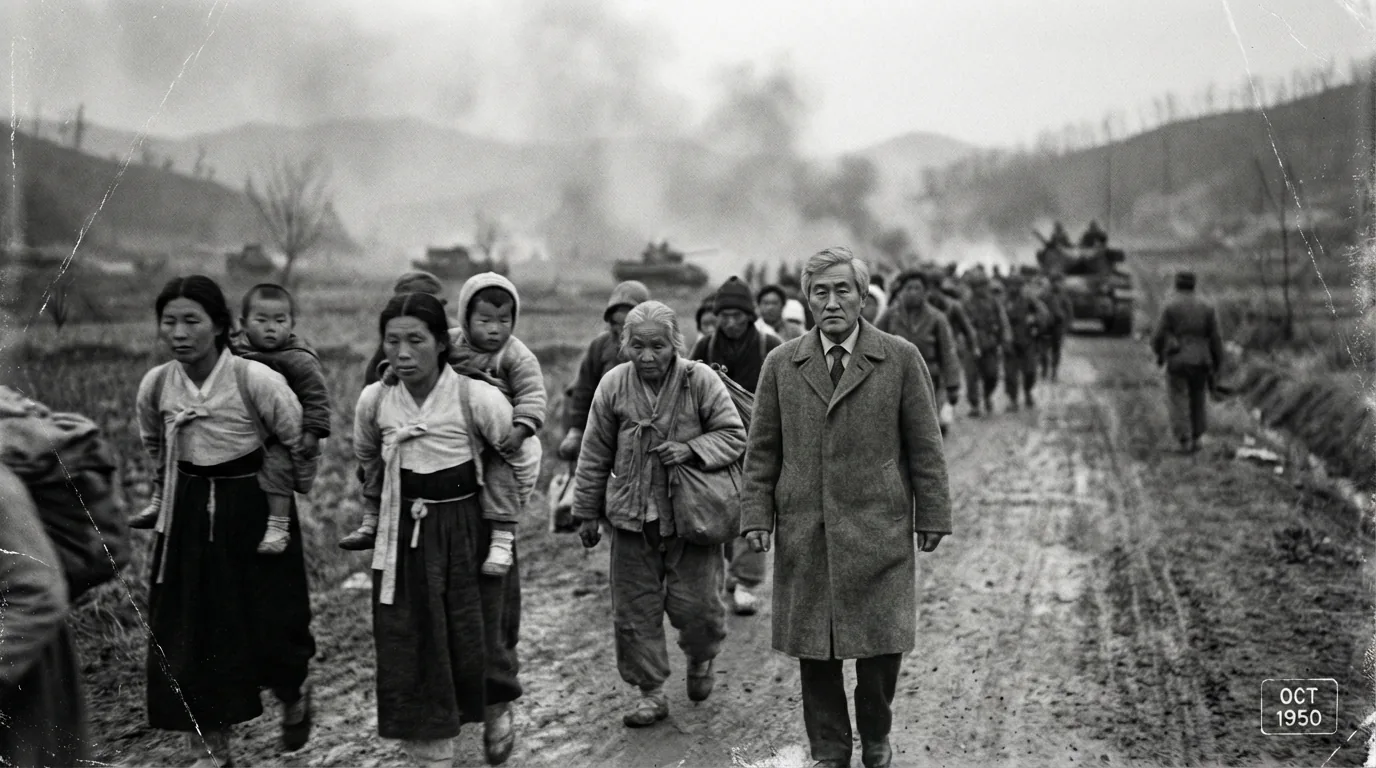
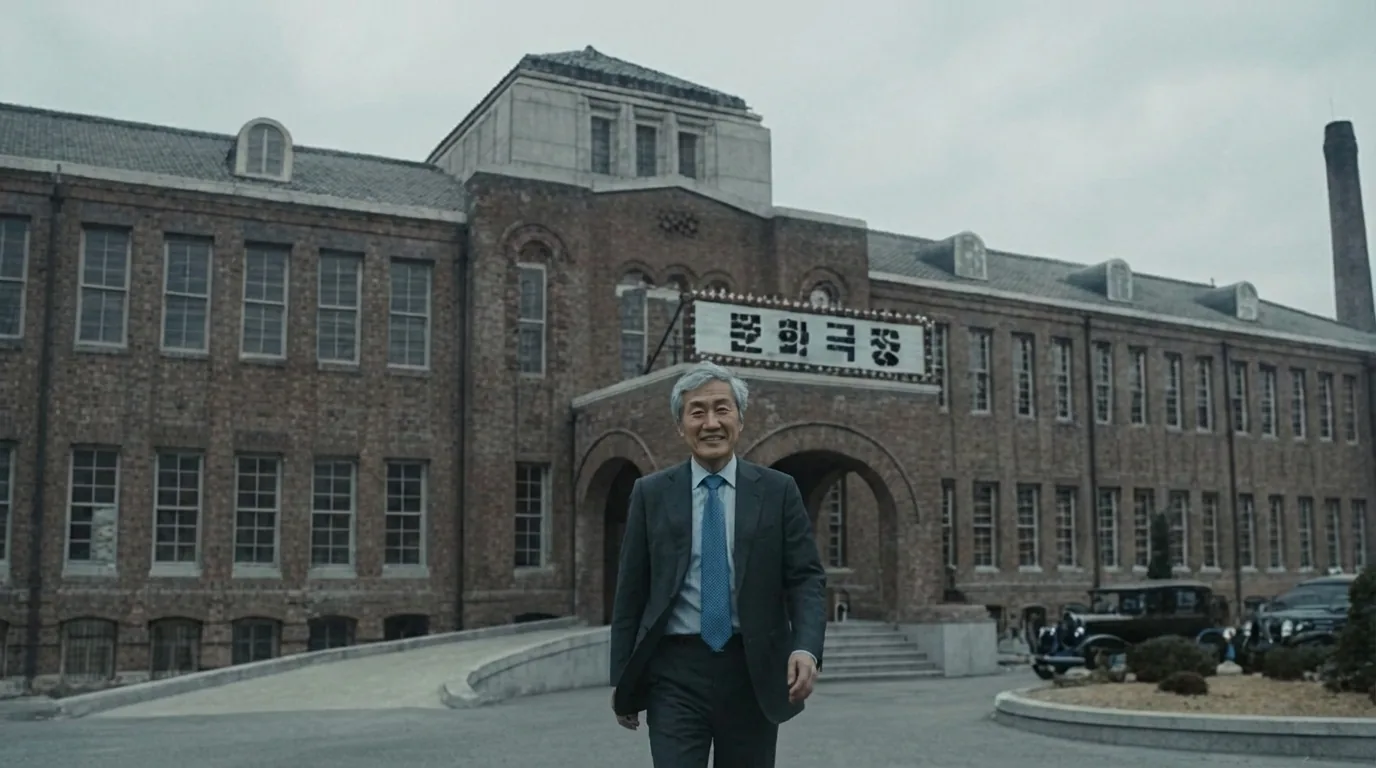
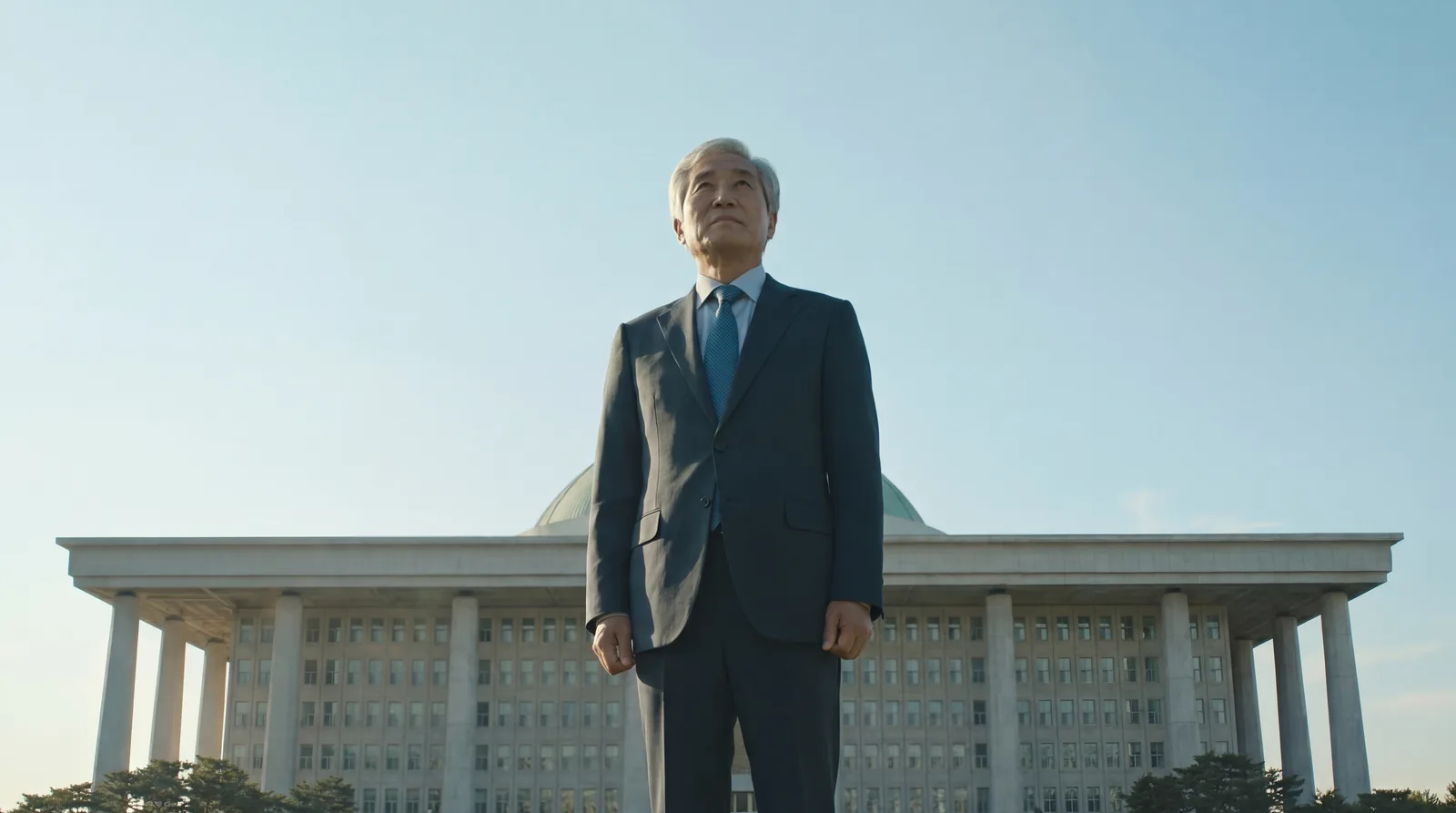
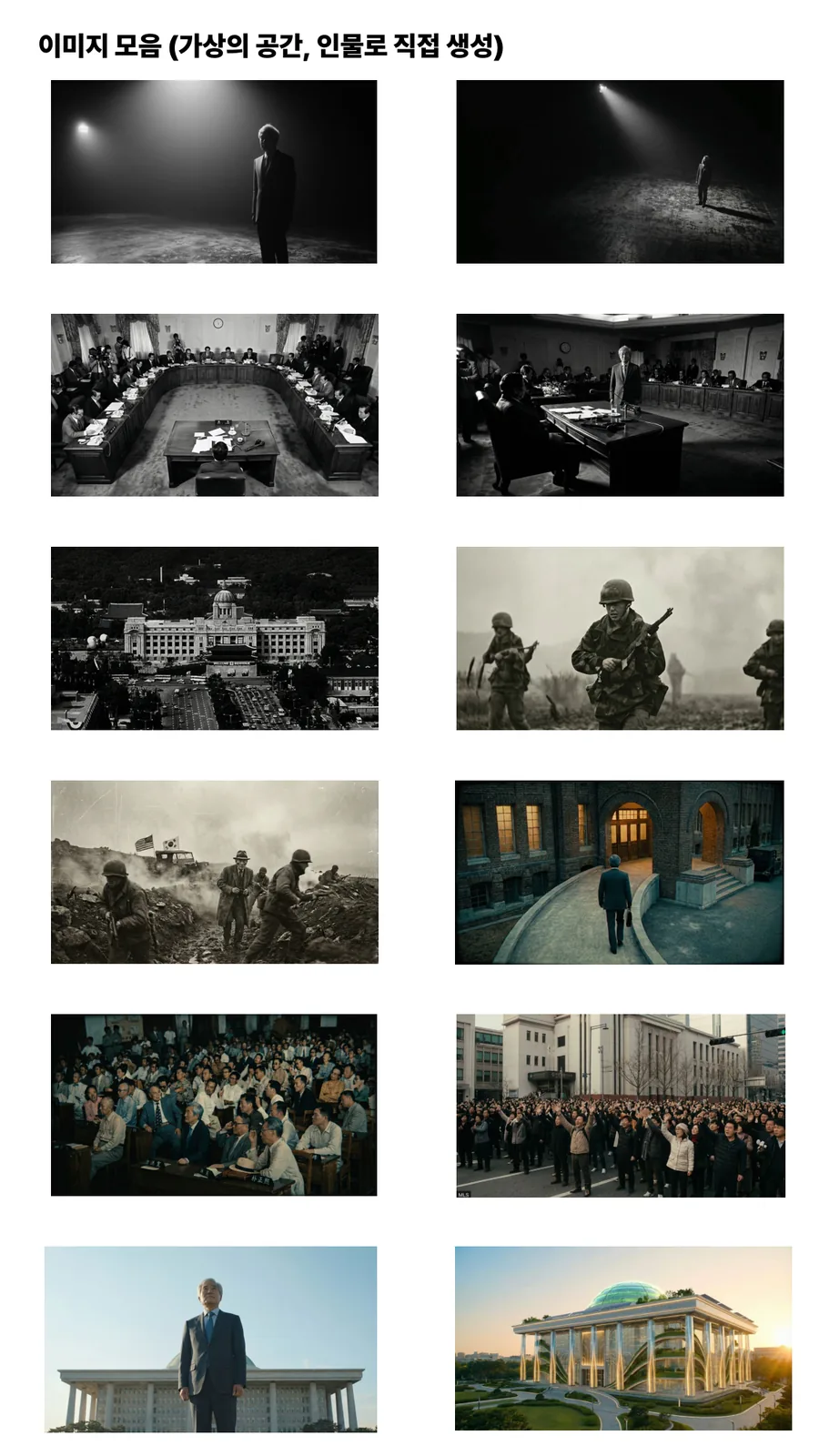
The film opens with the Constitutional Assembly convening in the Jungangcheong conference room in 1948. It passes through the Korean War — the refugee road and the temporary assembly hall in Busan — the cries of citizens in front of the old Assembly building on Taepyeong-ro in 1960, and the completion of the Yeouido Assembly building in 1975, and ends on an image of the future National Assembly. The scenes for each period used real historical photographs as references, down to the black-and-white film texture. Every person on screen is a fictional character generated with AI.
Four Days of Production
| Date | Work |
|---|---|
| Dec 1 | Started S#1, gathered references |
| Dec 5 | S#2, the Constitutional Assembly |
| Dec 6 | S#3 and S#4, generated the storyboard sheet, first edit (28 clips) |
| Dec 7 | S#4–S#6, second edit (74 clips), submitted at 8:45 p.m. |
| Dec 9 | Final project cleanup (88 clips) |
| Stage | Tool | Input → Output |
|---|---|---|
| Scenario and prompts | ChatGPT, Gemini | Outline → prompt index by the second. The English prompts are split into Style, Camera, Lighting, Composition, and Constraints fields. |
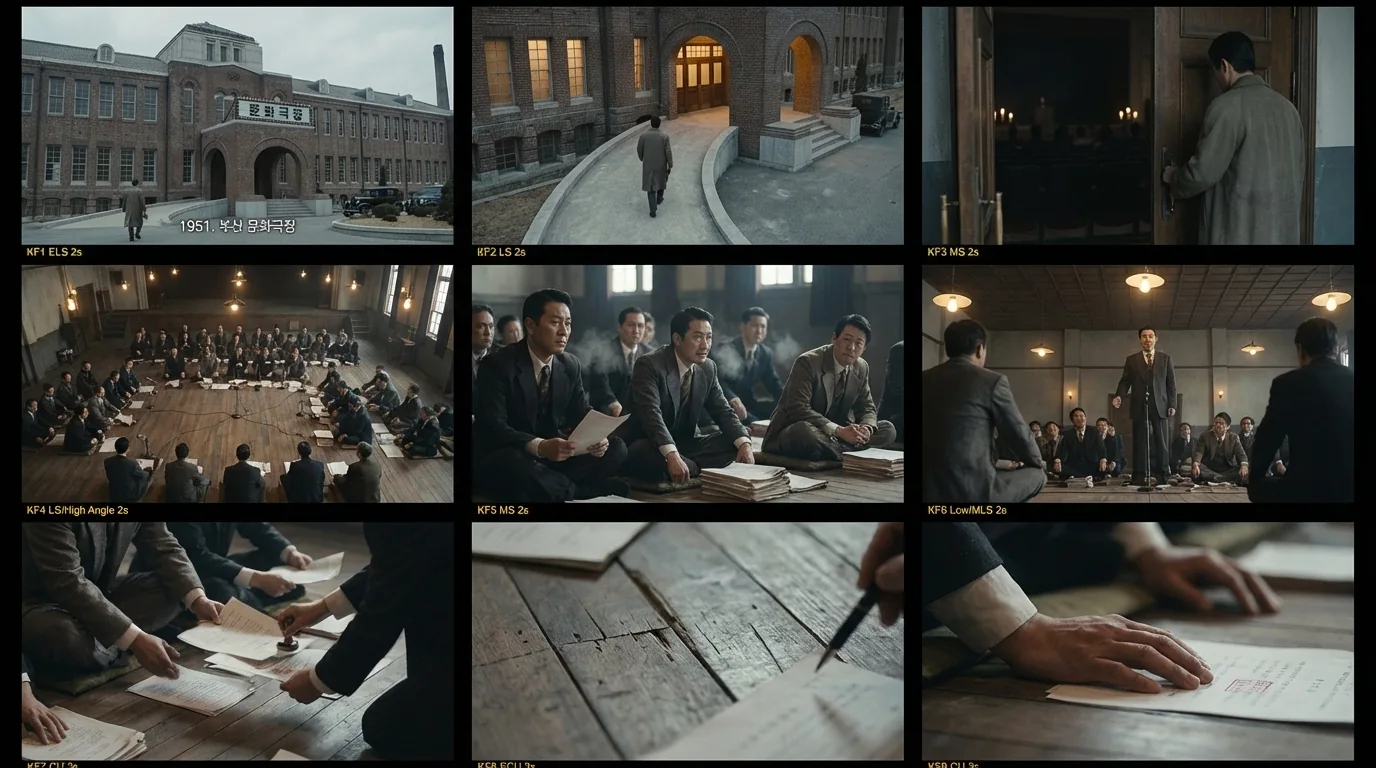
| Storyboard | Nano Banana | Scene description → 9-panel storyboard sheet. Each panel carries a shot size and a 2-second length. |
| Images | Nano Banana | Prompts → 28 images at 1376×768. Of the selected images, 14 were upscaled 2× and 1 was upscaled 4×. |
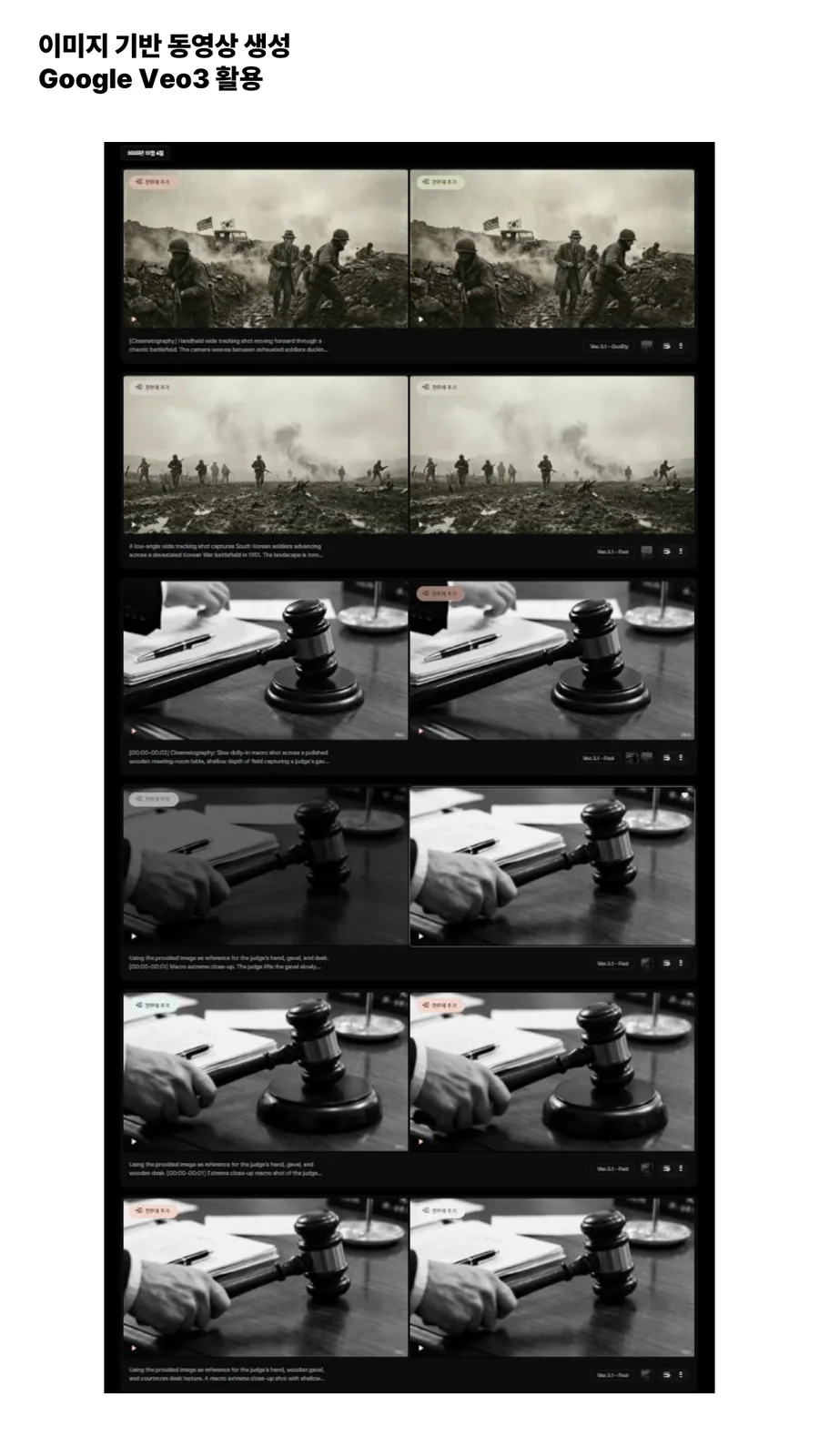
| Video | Veo 3.1 Fast / Quality | Image + camera direction → 24 clips of 8 seconds (1920×1088, 24fps). 21 used. |
| Voice, sound effects, music | ElevenLabs | Script → 12 narration takes, 6 sound effects and music tracks |
| Editing | Premiere Pro, After Effects | 88 clips, tracks V3 / A4, 1 Dynamic Link comp |
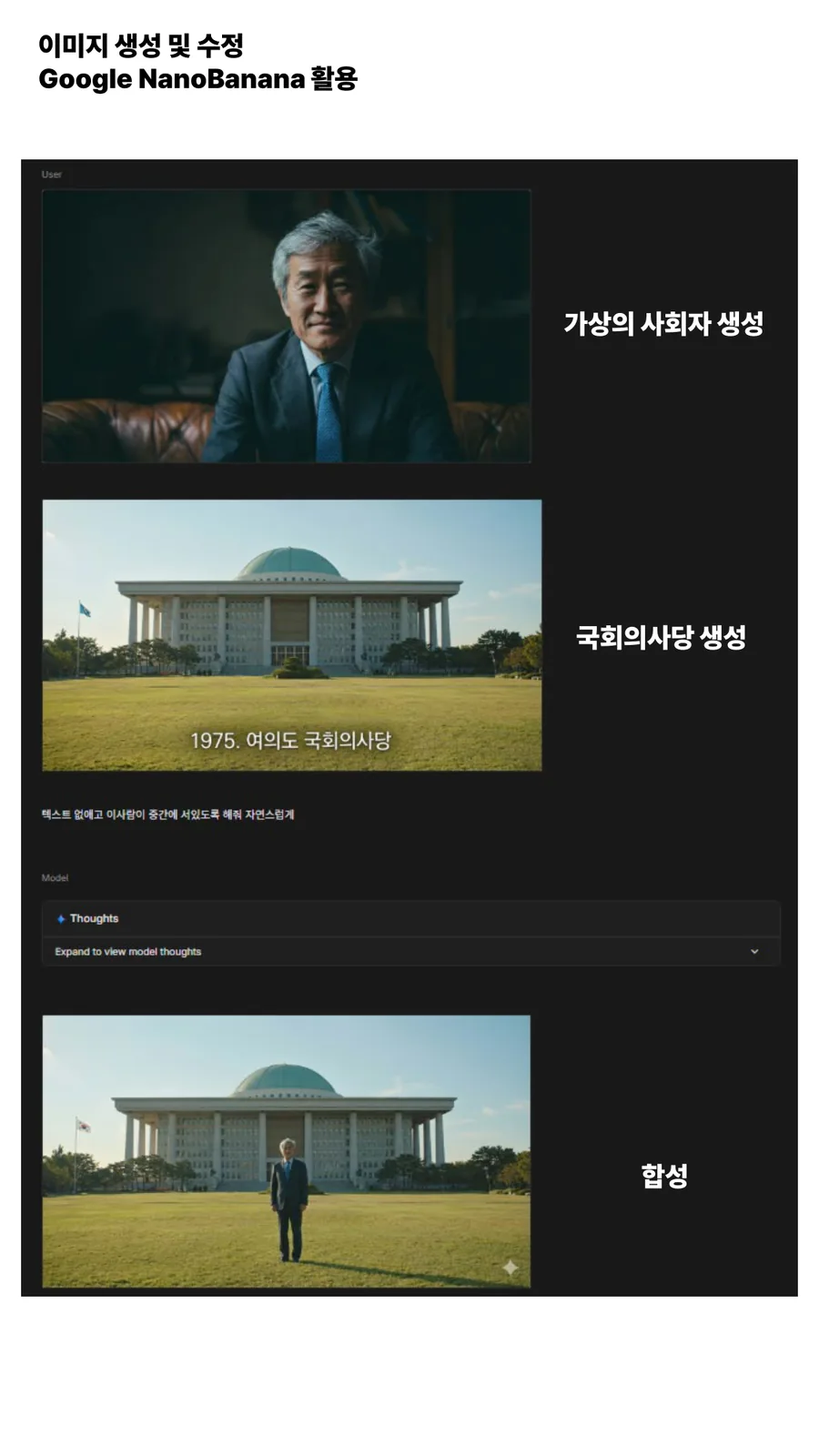
Generating in Separate Roles
I generated each scene element by element: the host first, then the Assembly hall background on its own, then a composite of the two. When a result was off, I refined it by correcting it in Korean, with lines like “Remove the people, the dust, and the text” (사람이랑 먼지, 텍스트 없애줘). I raised the resolution with a single word, upscale.
For video, I fed the selected images into Veo 3.1 as references and animated them. Every clip came out at 8 seconds: 24 clips, 192 seconds of material, cut down to 119 seconds. I split Fast and Quality according to the nature of each shot, and the camera directions stayed in the file names as written: static camera, slow dolly-in, low-angle dolly-out, locked-off wide, and so on.
The narration was made with ElevenLabs’ Instant Voice Clone. I fixed speed at 100, stability at 50, and similarity at 75. On the afternoon of the submission day I switched the voice once and regenerated four takes. Sound effects and music — the gavel, crowds, chamber ambience, the closing orchestra — came from the same tool; I took several candidates for each and picked from them. In the edit, I added room reverb to the narration to place it in the space.
Scene Log
| Scene | Content | Images | Clips generated → used | Notes |
|---|---|---|---|---|
| S#1 | Opening, from the host in darkness to the front of the Yeouido Assembly building | 3 | 3 → 3 | Finished in a single day, Dec 1 |
| S#2 | The 1948 Constitutional Assembly opens; the gavel and the chamber | 11 (5 discarded) | 6 → 5 | One shot regenerated as v02; 3 angle reference sheets |
| S#3 | The 1950 war and the refugee road | 9 | 3 → 3 | Selected files named “good” |
| S#4 | The 1951 temporary assembly hall at the Munhwa Theater, Busan | 10 | 5 → 4 | 9-panel storyboard sheet |
| S#5 | Crowds before the old Assembly building on Taepyeong-ro, the Yeouido completion, the future Assembly | 6 | 6 → 5 | 1 image upscaled 4× |
| S#6 | Closing narration | 0 | 0 | No footage of its own; laid over the preceding scenes |
Two Layers of Prompt Records
The submission documents included an index that attaches a prompt to each playback time.
25 s — “Restore and visualize the 1948 Jungangcheong conference room in a black-and-white film texture, matched to photographs from the period” (1948년 중앙청 회의실을 당시 사진 자료에 맞춰 흑백 필름 질감으로 복원해 시각화해줘)
1 min 53 s — “Generate an aerial-view video of the 1975 Yeouido National Assembly building transforming into a futuristic transparent-dome structure” (1975년 여의도 국회의사당이 미래형 투명 돔 건축물로 변환되는 장면을 항공 시점 영상으로 생성)
The separate seven-page AI-use evidence document showed, exactly as they appeared on screen, 5 Nano Banana conversation screenshots, 12 generated images, and 22 Veo generation results. I noted in the document that the image and video tools don’t provide share links, so screenshots stood in for them.
What I discarded
Each scene folder kept an archive next to the selected takes. Of the 24 clips I discarded 3: a wide establishing shot, a zoom-out, and the v01 from before a regeneration. In S#2 I discarded 5 of 11 images.
There were mostly two reasons. Either the period was off — a modern texture creeping into a 1950s scene, for example — or the tone didn’t match from shot to shot. The film has to jump from 1948 to the future within 119 seconds, so even a good-looking frame was unusable if it didn’t look like the same film as what came before and after.
The references sat in the same folders: real photographs from each period, and camera-angle reference sheets such as Dutch angles and extreme close-ups. What I worked from and what I threw out stay in one place.
Certificate
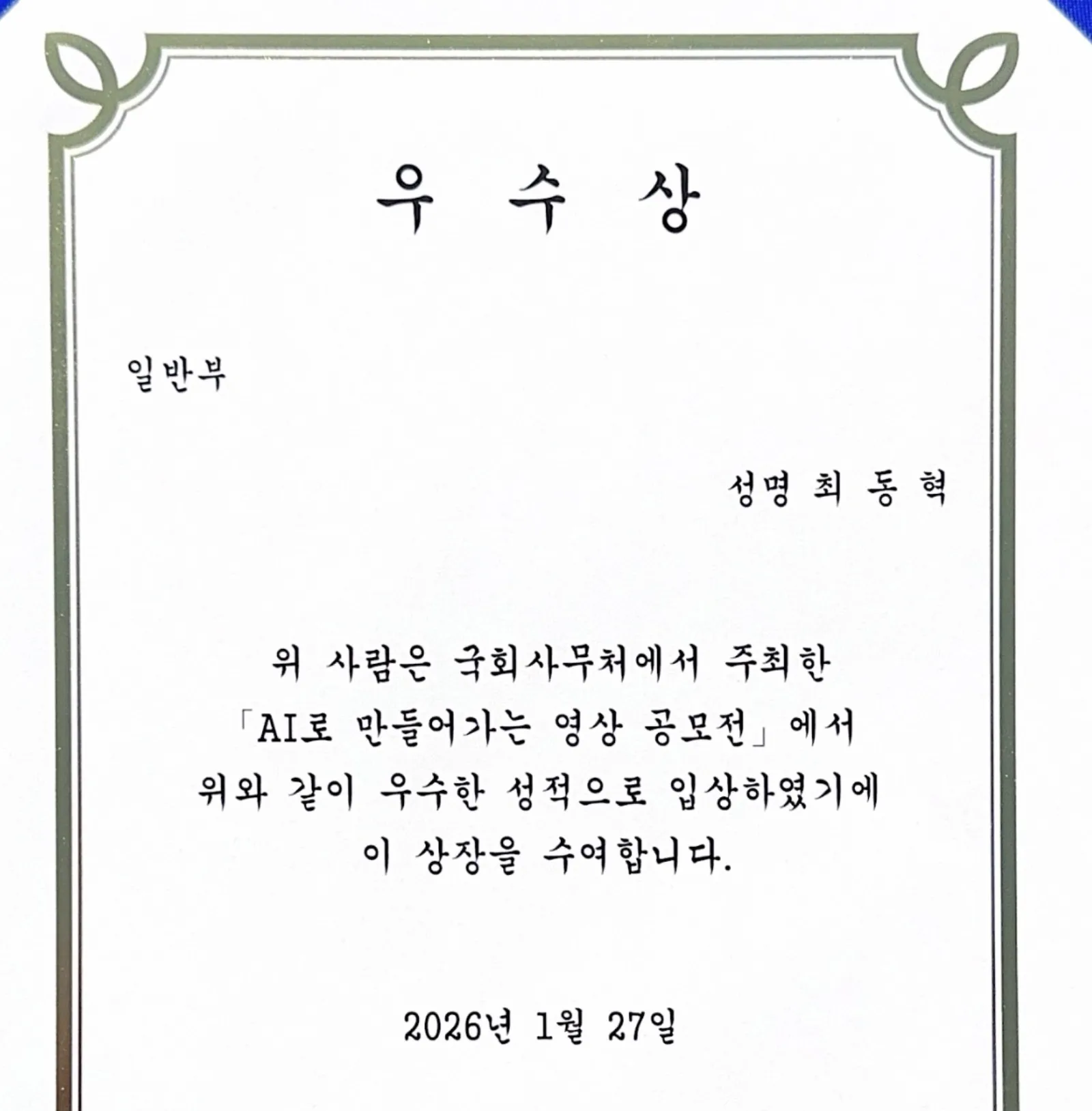
The Excellence Award certificate, dated Jan 27, 2026. The award was presented at a meeting with the winners held at the National Assembly.